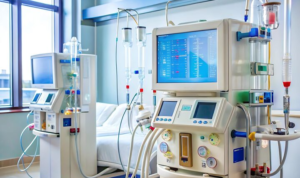
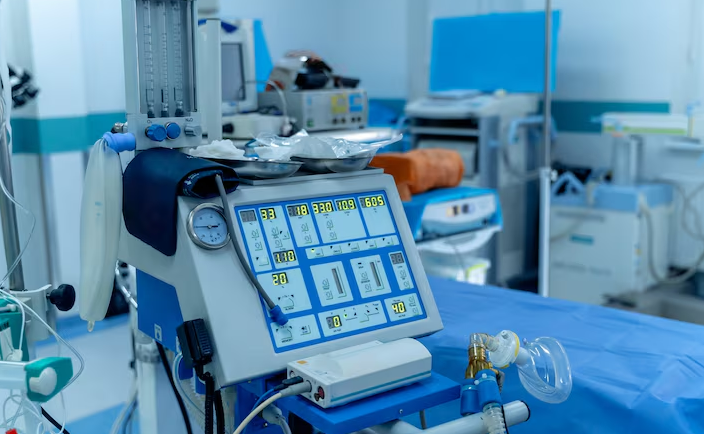
The development of medical technology continues to transform the delivery of long-term medical treatments, and dialysis care is no exception. Contemporary dialysis machines are built to enhance comfort, precision, and efficiency, helping sustain improved patient outcomes. Since a greater attention of healthcare providers is paid to safer and more dependable care methods, the development of dialysis equipment is crucial, as it can improve the everyday treatment. The modern machines are designed to minimise complications and enhance the consistency of the treatment due to the enhanced monitoring systems and more patient-friendly design. Such innovations are useful in both home and clinical care contexts. Knowing the recent tendencies in the field of dialysis equipment, health care providers and patients will be able to value the way new machines help to maintain proper health conditions and long-term well-being.
How Modern Dialysis Innovations Are Shaping Patient-Centred Care?
Advancements in technology in dialysis machines are aimed at enhancing safety, efficiency and comfort. These innovations are not replacing clinical expertise but are the ones that complement the latter with smarter and more reliable systems that will improve the quality of treatment.
Smarter Monitoring and Control Systems
The new dialysis machines have a high level of monitoring that enables them to monitor essential parameters of treatment in real time. Such systems contribute to maintaining a stable balance of fluids and to the regularity of performance during every session. Improved alertness and automation ensure healthcare specialists can react fast, minimising risks and increasing the reliability of the treatment in general.
Improved Patient Comfort and Usability
The design of dialysis machines has been based on comfort. Newer models are quieter and have fewer treatment cycles that are smoother, which assists in alleviating the discomfort experienced by the patients. Machines are also user-friendly and, therefore, easy to use to assist both clinical personnel and patients in the care environment at home.
Enhanced Safety and Accuracy
The purpose of safety innovations is to reduce errors and facilitate the delivery of consistent treatment. Inaccuracy can be enhanced by built-in protection, automatic verification and precision checks throughout each session. Dialysis equipment should be reliable to maintain the treatment parameters in a safe range, which helps to guarantee improved outcomes and decrease complications.
Compact and Flexible Design Solutions
The dialysis machines today are developed with flexibility. Small units consume less space and can be more readily fitted in various care settings. This flexibility covers hospitals, clinics, and home-based arrangements, which allows dialysis to be more easily accessible without undermining performance and safety.
Focus on Long-Term Treatment Efficiency
The dialysis machines manufactured in the modern world are long-lasting and energy-saving. Stable operation is also useful because it enables the healthcare providers to use their resources wisely, as well as providing their patients with uniform care. Such attention to efficiency contributes to sustainable healthcare practices without deterioration of the level of treatment.
The development of dialysis machinery continues to enhance comfort, safety, and treatment accuracy. The modern Dialysis equipment helps achieve improved patient outcomes both in clinical and home care environments through the promotion of monitoring, usability, and flexibility. These advances show that an increasing number of people are devoted to patient-centred dialysis care and long-term treatment efficiency.
Looking to stay informed about reliable medical technology solutions? Arivation supports healthcare providers with access to trusted equipment and expertise. Why settle for outdated systems when modern innovations can enhance care delivery and patient outcomes? Connect with Arivation to explore dependable solutions that align with today’s standards for safety, efficiency, and long-term healthcare support.